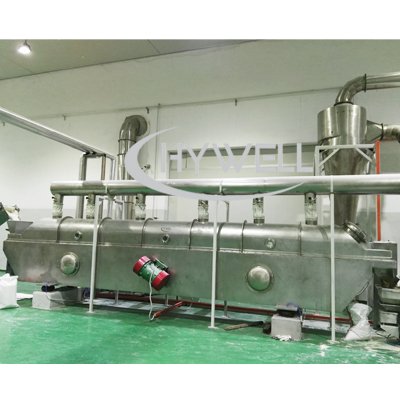
What is a Drying Production Line?
A drying production line is a system designed to remove moisture or water from a product in a continuous or batch process. Its purpose is to reduce the moisture content of the material to a desired level, either through exposure to heat, dry air, or reduced pressure.
Drying production lines are widely used in industries such as food processing, chemicals, pharmaceuticals, paper and pulp, and battery recycling. These systems are built with different types of dryers, each selected based on the material type, moisture requirements, and process needs.
Types of Drying Equipment in a Production Line
There are many kinds of dryers integrated into drying production lines, each offering unique functions. Hywell Machinery provides a wide range of drying technologies including:
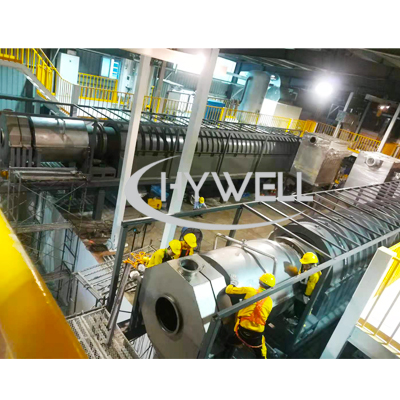
Battery recycling rotary kilns
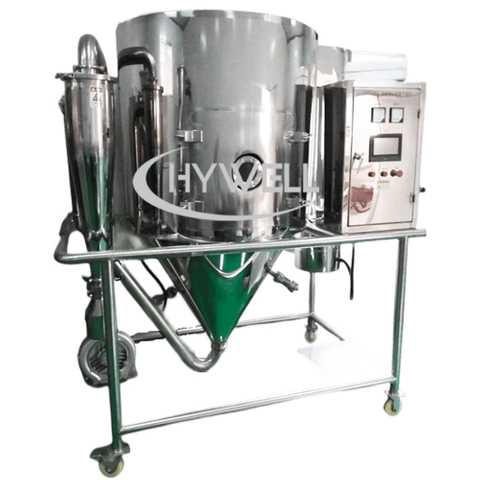
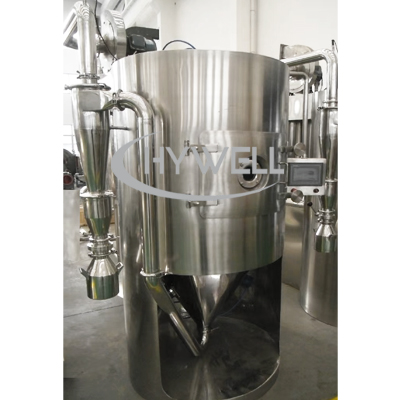
High-speed centrifugal spray dryers
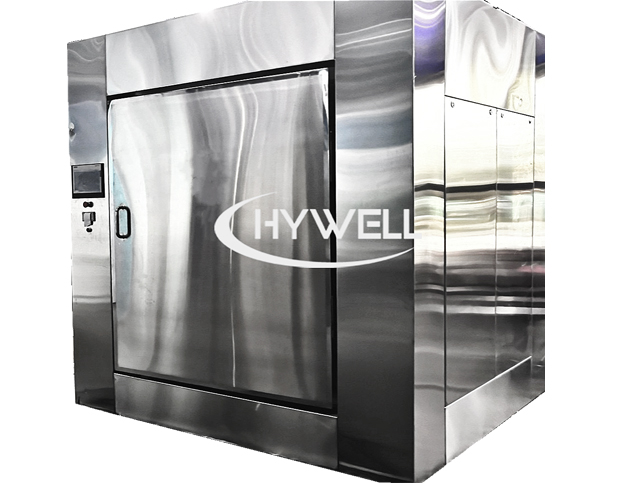
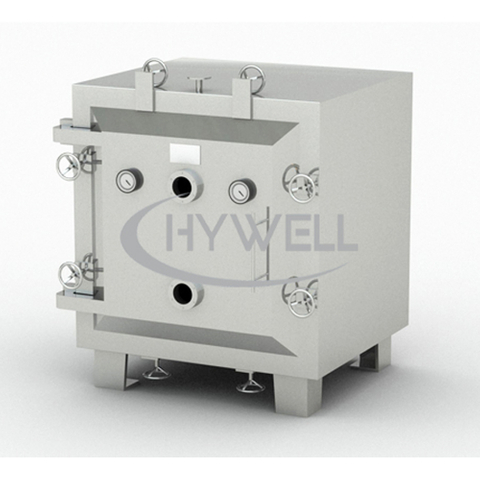
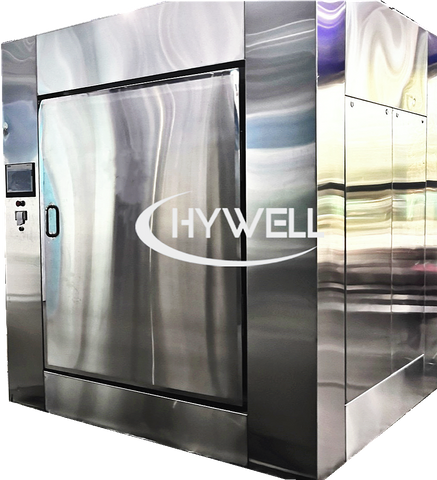
Vacuum shelf dryers
High-efficiency vacuum dryers
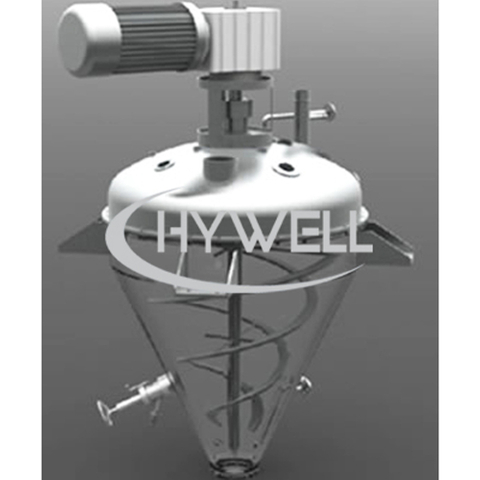
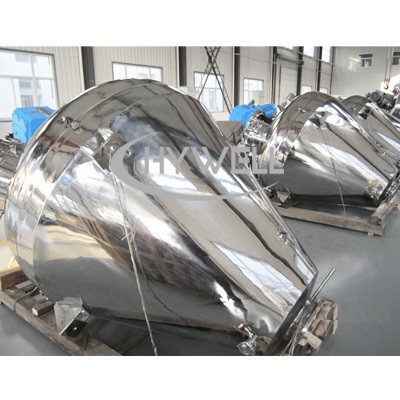
Conical paddle vacuum dryers
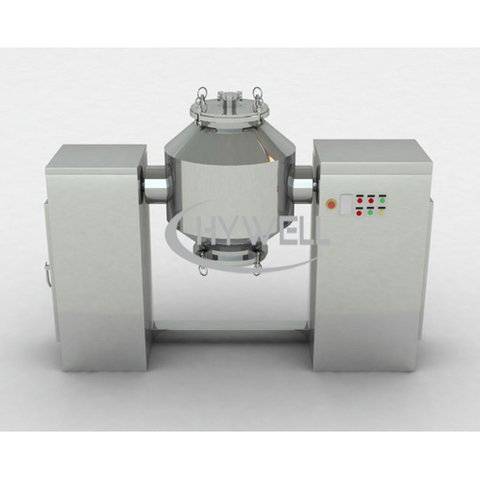
Rota cone vacuum dryers
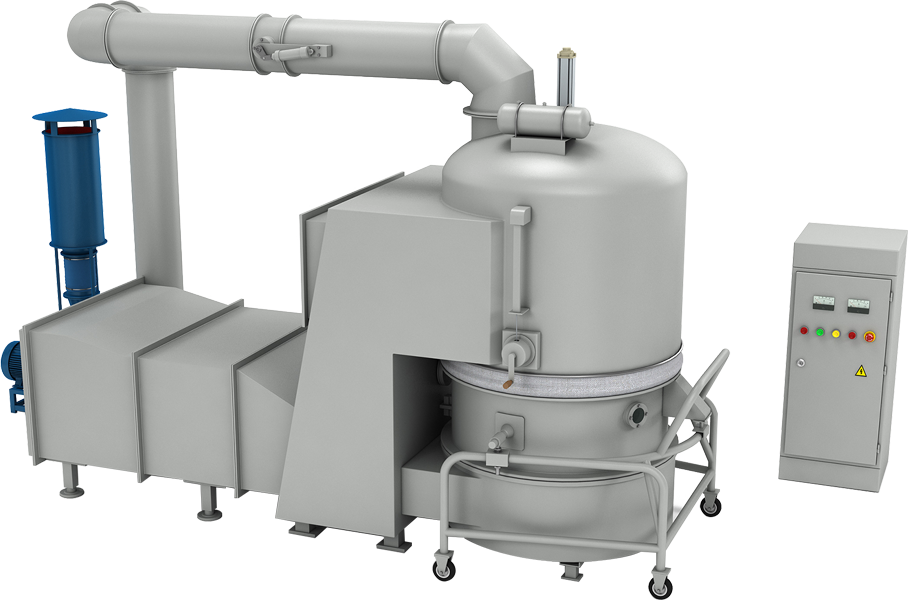
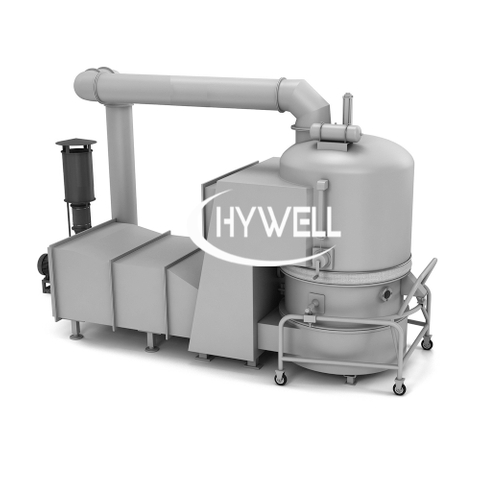
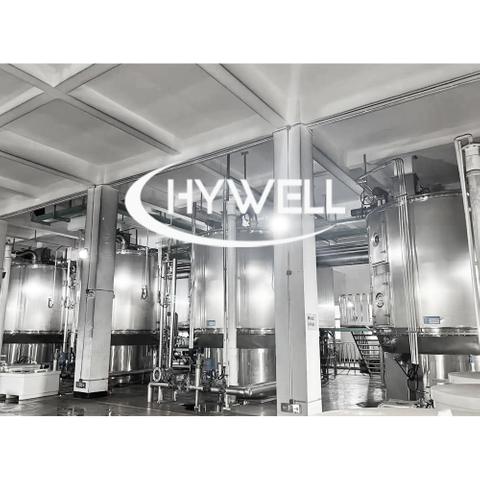
Vertical fluid bed dryers
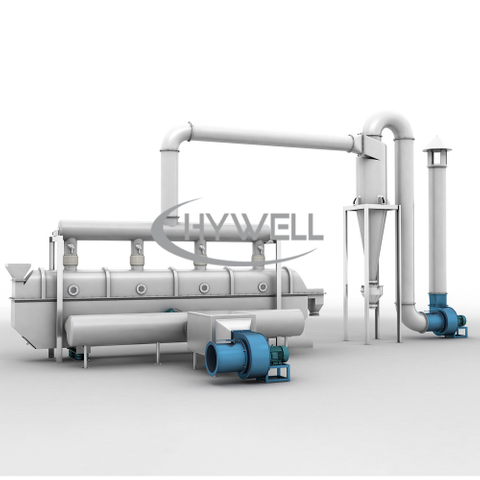
Vibrating fluid bed dryers
Static fluid bed dryers
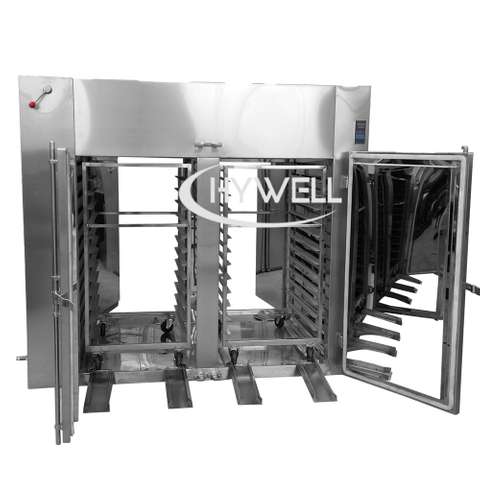
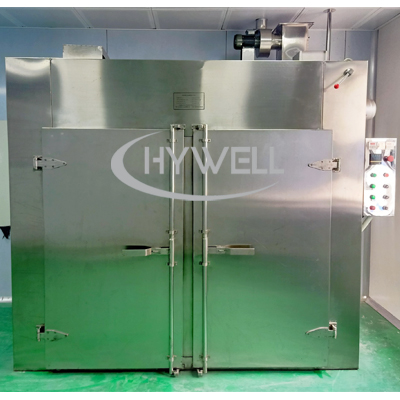
Hot air tray dryers
Each of these machines can be part of a tailored drying production line optimized for your product and capacity requirements.
How Do Drying Production Lines Work?
Drying lines work by exposing products to specific drying environments—high temperatures, vacuum, or dry airflow—to extract moisture efficiently. The process chosen depends on product characteristics and moisture goals.
For example:
Spray dryers are ideal for turning liquids into powders
Fluid bed dryers are suited for granules or small particles
Rotary kilns are used for sticky or wet materials
Vacuum dryers handle heat-sensitive materials at low temperatures
Applications of Drying Production Lines
Drying lines serve critical functions across various industries:
Food Processing
Used to dry fruits, vegetables, grains, and breadcrumbs. Moisture removal ensures longer shelf life and easier storage.
Chemical Processing
Drying lines help remove water or solvents from chemicals, enhancing product stability and simplifying transportation.
Pharmaceuticals
Drying lines are used to prepare powders, granules, and tablets. Dry products stay stable longer and meet GMP standards.
Benefits of Drying Production Lines
Implementing drying lines offers multiple operational and product benefits:
Increased productivity: Faster drying cycles improve throughput
Better product quality: Stable, low-moisture products resist spoilage
Lower storage costs: Products with low moisture are easier to store long-term
Energy efficiency: Many modern drying lines use energy-saving technologies
Factors to Consider When Choosing a Drying Production Line
Selecting the right drying line requires evaluating several key factors:
Product type and physical form
Initial and final moisture content
Desired drying time and production capacity
Energy source (steam, electricity, gas)
Budget for equipment and operational costs
Automation level and cleaning requirements
Compliance with GMP or food safety standards
Conclusion
A drying production line is an essential tool across many industries for reducing product moisture and enhancing stability. Understanding the available technologies, industry applications, and critical selection factors will help you invest in a drying solution that fits your production goals.
FAQs
Can drying production lines be customized?
Yes. Hywell Machinery offers tailored drying lines, including custom chamber sizes, heating methods, material feeding systems, and control systems to suit your needs.
How should a drying line be maintained?
Regular cleaning, inspection, and timely replacement of worn parts are essential. Following the manufacturer’s maintenance schedule ensures safe and efficient operation.
Which industries use drying production lines?
Drying lines are widely used in food, pharmaceutical, chemical, agricultural, and battery industries, among others.
What is a drying production line used for?
It is used to remove moisture from materials such as powders, liquids, granules, and pastes—enhancing product stability and shelf life.
What types of dryers are included in drying lines?
Drying lines can include spray dryers, rotary dryers, fluidized bed dryers, vacuum dryers, and tray dryers—depending on the application.
How do drying production lines work?
They work by applying heat, airflow, or vacuum conditions to reduce the moisture content of the material, using one or a combination of drying technologies.
What are the benefits of drying lines?
They boost efficiency, improve product quality, reduce spoilage, lower storage costs, and offer energy savings.
What factors affect drying line selection?
Key considerations include product type, moisture targets, energy use, production volume, and overall cost.

 Русский
 English
 العربية
 Français
 Español
 Português
 Deutsch
 italiano
 日本語
日本語 한국어
한국어 Nederlands
 Tiếng Việt
 ไทย
ไทย Polski
 Türkçe
 ພາສາລາວ
 Bahasa Melayu
 Filipino
 Bahasa Indonesia
 magyar
 Română
 Čeština
 қазақ
қазақ Српски
 हिन्दी
 فارسی
فارسی Slovenčina
 Slovenščina
 Norsk
Norsk Svenska
 українська
 Ελληνικά
 Suomi
Suomi Հայերեն
 עברית
עברית Dansk
Dansk اردو
اردو বাংলা
বাংলা Hrvatski
 Afrikaans
 Gaeilge
 Eesti keel
 Māori
Māori नेपाली
 Oʻzbekcha
 latviešu
 Azərbaycan dili
 Беларуская мова
 Български
 ქართული
 Kurdî
Kurdî Кыргызча


 简体中文
简体中文