Fluid bed granulation has become an essential process in the pharmaceutical, food, and chemical industries, providing superior powder granulation, uniform particle size, and improved product quality. Among the critical components of a vertical fluid bed granulator is the filter bag system, which ensures dust-free operation and efficient particle retention. Proper installation of filter bags is crucial not only for maintaining optimal filtration efficiency but also for prolonging the service life of the equipment. This article provides a detailed, step-by-step guide for installing filter bags in a vertical fluid bed granulator, along with operational tips and best practices.
1. Introduction to Vertical Fluid Bed Granulators
Vertical fluid bed granulators (VFBGs) are advanced granulation devices widely used for transforming powders into uniform granules. The equipment operates by fluidizing powder materials with hot air while simultaneously spraying a binder solution, resulting in the formation of stable granules. Key advantages of VFBGs include:
1. Uniform particle size distribution
2. Improved flow properties of powders
3. Reduced dust generation
4. High operational efficiency with minimal manual intervention
A crucial element of the VFBG is the filter bag assembly, which serves to separate fine dust from the air stream, ensuring environmental safety and maintaining product purity. Misaligned or improperly installed filter bags can compromise filtration performance, leading to operational inefficiencies or contamination risks. Therefore, understanding the correct installation procedure is essential for operators and maintenance personnel.
2. Importance of Proper Filter Bag Installation
The filter bags in a vertical fluid bed granulator are responsible for capturing fine particles that escape from the granulation chamber. Improper installation can result in:
1. Reduced filtration efficiency and increased dust emission into the workshop
2. Blockage of the filter bags due to twisting or overlapping
3. Accelerated wear and tear of the filter media
By following a standardized installation procedure, operators can ensure:
1. Efficient dust collection and air filtration
2. Extended service life of the filter bags
3. Reduced downtime and maintenance costs
4. Enhanced overall equipment performance
3. Step-by-Step Installation Procedure
The filter bag installation procedure involves four key steps: lowering the bag frame, installing and aligning the filter bags, raising and locking the frame, and securing the lower ends of the bags. Each step requires careful attention to detail to prevent operational issues.
Step 1: Lower the Bag Frame
The first step in the installation process is to lower the bag frame to a height that is convenient for the operator. Most vertical fluid bed granulators are equipped with a manual handwheel mechanism or an electric lifting system. Lowering the frame to a comfortable working height ensures:
1. Safety during installation
2. Reduced physical strain on operators
3. Easier access to the bag attachment points
Operators should verify that the frame is stable at the lowered position before proceeding to the next step. Ensuring stability reduces the risk of accidental damage to the filter bags or the lifting mechanism.
Step 2: Install and Align the Filter Bags
Once the bag frame is lowered, the filter bags can be installed manually. This process involves attaching each bag to the frame individually. Key considerations during this step include:
1. Vertical Alignment: Ensure all filter bags are vertically aligned to prevent twisting or crossing. Misalignment may lead to incomplete dust collection and uneven airflow.
2. Secure Attachment: Use designated hooks, clamps, or fastening mechanisms to hold the bags firmly in place. Improperly attached bags may shift during operation.
3. Inspection: Check each bag for damage or defects before installation. Replace any bag showing wear, holes, or weakened seams.
Correct installation ensures that the filtration surface is fully utilized, maintaining optimal dust-cleaning efficiency throughout production.
Step 3: Raise and Lock the Bag Frame
After all filter bags are installed and aligned, the next step is to raise the bag frame to its operating position. Most vertical fluid bed granulators are equipped with a bag lifting mechanism, which can be operated either manually or electronically.
Key steps include:
1. Activate the lifting system to elevate the bag frame to its highest operational position.
2. Once the frame reaches the top, engage the locking cylinder from the control panel to secure the frame firmly in place.
3. Verify that the frame is stable and cannot move during operation.
Properly locked bag frames ensure that the filter bags remain in the correct position, preventing vibration-related wear and maintaining consistent airflow and dust filtration.
Step 4: Secure the Lower End of the Bags
The final step in the installation process involves securing the lower edges of the filter bags. This is crucial for preventing powder leakage and ensuring complete sealing. The procedure includes:
1. Using clamps to evenly fix the lower edges of the bags onto the vessel flange.
2. Tightening the drawstring or fastening strap at the bottom to achieve a secure seal.
3. Removing temporary clamps after the drawstring is secured.
Proper sealing at the bottom prevents dust from escaping into the production area, ensuring compliance with hygiene standards and maintaining a clean working environment.
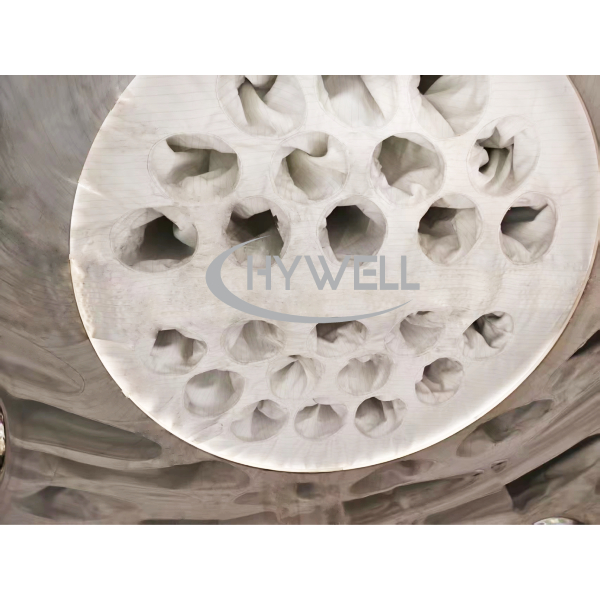
Filter Bag
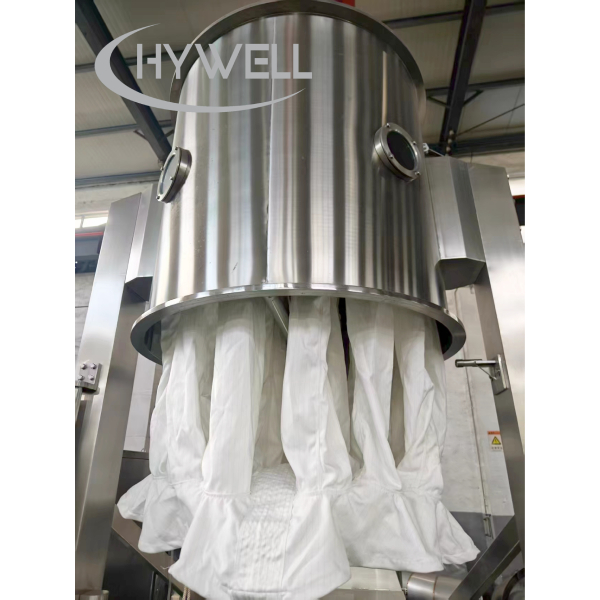
Filter Cloth Bag
4. Common Installation Mistakes to Avoid
Even experienced operators may encounter issues if attention to detail is lacking. Below are common mistakes operators should avoid:
Common Mistake | Potential Consequence | Corrective Measure |
Bags twisted or overlapped | Reduced filtration area, poor air distribution | Ensure each bag hangs vertically before locking frame |
Loose drawstring | Powder leakage and contamination | Tighten and double-check sealing before operation |
Frame not locked properly | Vibration, bag displacement, possible equipment damage | Always confirm the locking cylinder is engaged |
Using damaged bags | Reduced efficiency, air leakage, downtime | Inspect and replace worn or torn bags immediately |
Regular training and adherence to the installation steps can significantly reduce operational risks.
5. Tips for Efficient Filter Bag Maintenance and Cleaning
Beyond proper installation, maintaining the filter bags is essential for long-term performance:
1. Regular Inspection: Check for tears, holes, or worn seams weekly.
2. Cleaning: Periodically clean the bags according to manufacturer instructions to remove dust buildup.
3. Replacement: Replace filter bags when dust-cleaning efficiency decreases or when physical damage is detected.
4. Lubrication: Maintain the lifting mechanism to prevent mechanical failure during bag installation.
Proper maintenance ensures continuous, dust-free operation and extends the service life of both the bags and the equipment.
6. Video Demonstration Enhances Understanding
Hywell Machinery recently recorded a video showing the filter bag installation on our vertical fluid bed granulator.
This video is an invaluable resource for operators and technicians, providing a clear, visual guide to the installation process. By observing the video, users can:
1. Understand the correct sequence of installation steps
2. See proper alignment and fastening techniques
3. Recognize common mistakes and how to avoid them
4. Improve overall installation efficiency
Integrating visual training materials with written manuals ensures a comprehensive understanding for all operators.
7. Benefits of Proper Filter Bag Installation
Installing filter bags correctly provides numerous benefits, including:
1. Enhanced filtration efficiency: Captures fine particles effectively, reducing dust emission.
2. Improved equipment longevity: Properly aligned and secured bags reduce wear on the bag frame and lifting mechanism.
3. Reduced maintenance costs: Fewer operational failures and longer bag life decrease downtime.
4. Compliance with safety and hygiene standards: Prevents powder leakage, maintaining a clean production environment.
These benefits translate into higher product quality, safer operations, and better ROI for manufacturers.
8. Conclusion
The filter bag system is a critical component of a vertical fluid bed granulator, directly affecting the efficiency, safety, and reliability of the equipment. By carefully following the four-step installation procedure—lowering the frame, installing and aligning the bags, raising and locking the frame, and securing the lower ends—operators can ensure optimal filtration performance and prevent operational issues.
In addition to proper installation, regular inspection, cleaning, and maintenance are essential for prolonging the life of the filter bags and maintaining consistent product quality. Utilizing resources such as instructional videos and manuals can further enhance understanding and efficiency.
Ultimately, proper filter bag installation not only safeguards the equipment but also supports high-quality, dust-free granulation processes, which are vital for pharmaceutical, food, and chemical production.

 Русский
 English
 العربية
 Français
 Español
 Português
 Deutsch
 italiano
 日本語
日本語 한국어
한국어 Nederlands
 Tiếng Việt
 ไทย
ไทย Polski
 Türkçe
 ພາສາລາວ
 Bahasa Melayu
 Filipino
 Bahasa Indonesia
 magyar
 Română
 Čeština
 қазақ
қазақ Српски
 हिन्दी
 فارسی
فارسی Slovenčina
 Slovenščina
 Norsk
Norsk Svenska
 українська
 Ελληνικά
 Suomi
Suomi Հայերեն
 עברית
עברית Dansk
Dansk اردو
اردو বাংলা
বাংলা Hrvatski
 Afrikaans
 Gaeilge
 Eesti keel
 Māori
Māori नेपाली
 Oʻzbekcha
 latviešu
 Azərbaycan dili
 Беларуская мова
 Български
 ქართული
 Kurdî
Kurdî Кыргызча


 简体中文
简体中文